
The Evolution of D'Artagnan's Judgment
The Three MusketeersThis flow traces d'Artagnan's movement from reflexive aggression toward strategic judgment shaped by grief and friendship.
increasing Bearing strength in each event
 decreasing
Bearing strength in each eventdecreasingInsult Reflex

Anger Before Understanding
Immediate Response
D'Artagnan treats mockery as an injury requiring violence.
Immaturity
His courage is real, but his interpretation of events is governed by pride. He acts before he knows what is at stake.
Strategic Learning

Courage Gains Restraint
Lessons from Athos
D'Artagnan learns to observe, apologize without submission, and distinguish prudence from cowardice.
Practical Intelligence
He begins to use timing, disguise, and misdirection rather than relying only on the sword.
Manipulative Vengeance
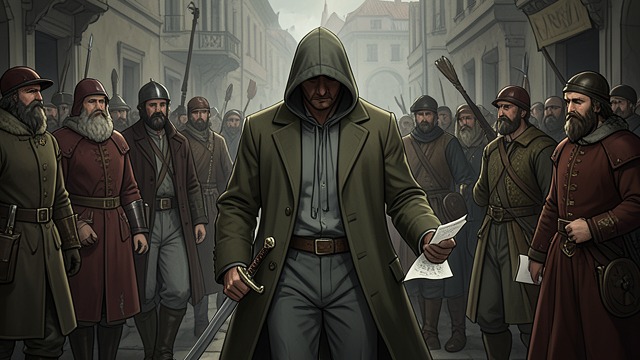
Intelligence Corrupted
Calculated Deception
D'Artagnan impersonates de Wardes to retaliate against Milady.
Moral Slippage
He understands the danger of deception yet chooses it because wounded pride feels entitled to revenge.
Mercy After Violence
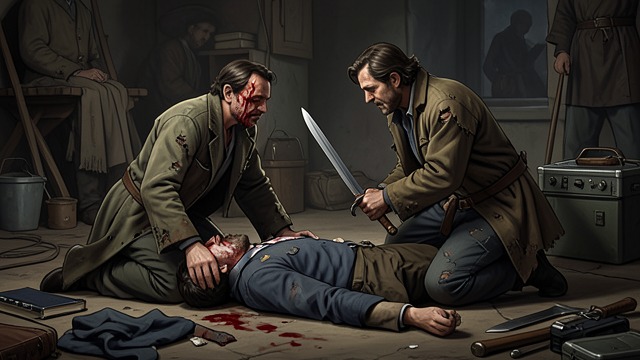
Choosing Not to Kill
Captured Assassin
D'Artagnan spares a wounded soldier after learning that Milady hired him.
Limits of Revenge
He still pursues Milady, but mercy prevents him from becoming an unthinking instrument of retaliation.
Submission and Advancement
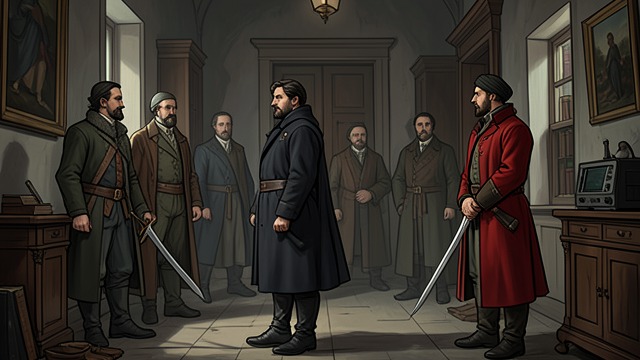
Judgment Matured
Acceptance of Consequences
D'Artagnan offers to accept punishment for Milady's death.
Political Maturity
He no longer believes courage alone makes him invulnerable. He negotiates from responsibility, evidence, and the confidence of his friends.
the encounter at Meung
the first week in Paris
after Milady's letters to de Wardes
after the failed assassination at La Rochelle
the final interview with Richelieu
